.png?width=512&name=united-kingdom%20(1).png "united-kingdom (1)")
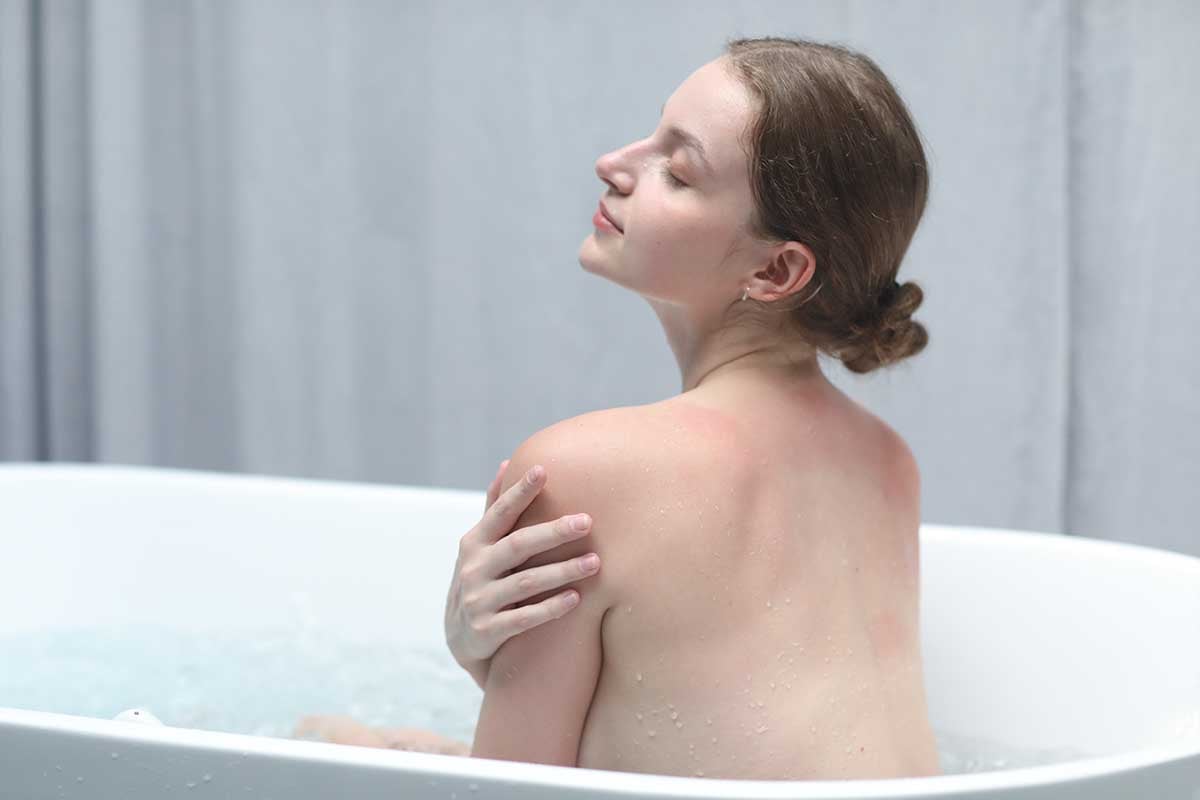
Have you ever wondered how athletes recover from grueling training sessions?
A 2023 study highlighted that cold water therapy can significantly reduce delayed onset muscle soreness by lowering inflammation and enhancing the perception of recovery.
It’s no wonder this practice is gaining popularity among athletes and wellness seekers.
From ice baths to cold plunges, immersing yourself in cold water for short bursts activates the body’s natural healing and restoration.
While rooted in ancient traditions, cold water therapy is now a modern wellness staple for recovery, stress reduction, and overall health improvement.
Cold water therapy - history and popularity
Scandinavian cultures have long used cold plunges as part of a traditional wellness routine, alternating between sauna sessions and icy water dips to stimulate the body. This method, known as contrast therapy, has been a staple in health practices for centuries.
Athletes and wellness enthusiasts alike are drawn to its potential benefits, including faster muscle recovery, stronger immune systems, improved mental health, and enhanced physical resilience.
Benefits of cold water therapy
According to widespread research, cold water therapy, often referred to as cold exposure or ice bathing, has gained significant attention in recent years for its wide-ranging physical and mental health benefits.
This practice, which involves immersing the body in cold water, can take various forms—such as cold showers, ice baths, or even plunging into natural bodies of cold water.
Physical benefits
While it has been used for centuries in different cultures, modern science has begun to highlight the numerous physical benefits associated with this practice.
Reduced inflammation and muscle recovery
Cold water therapy is particularly well-known for its ability to reduce inflammation and promote muscle recovery. After intense workouts, athletes often experience microtears in their muscle fibers, which can lead to soreness and swelling. Cold water helps to constrict blood vessels, reducing blood flow to inflamed areas and decreasing muscle swelling.
According to Michael Phelps, a renowned swimmer, cold water therapy significantly alleviated his muscle soreness and inflammation, enabling him to train more intensely and recover more quickly, ultimately contributing to his remarkable athletic achievements. 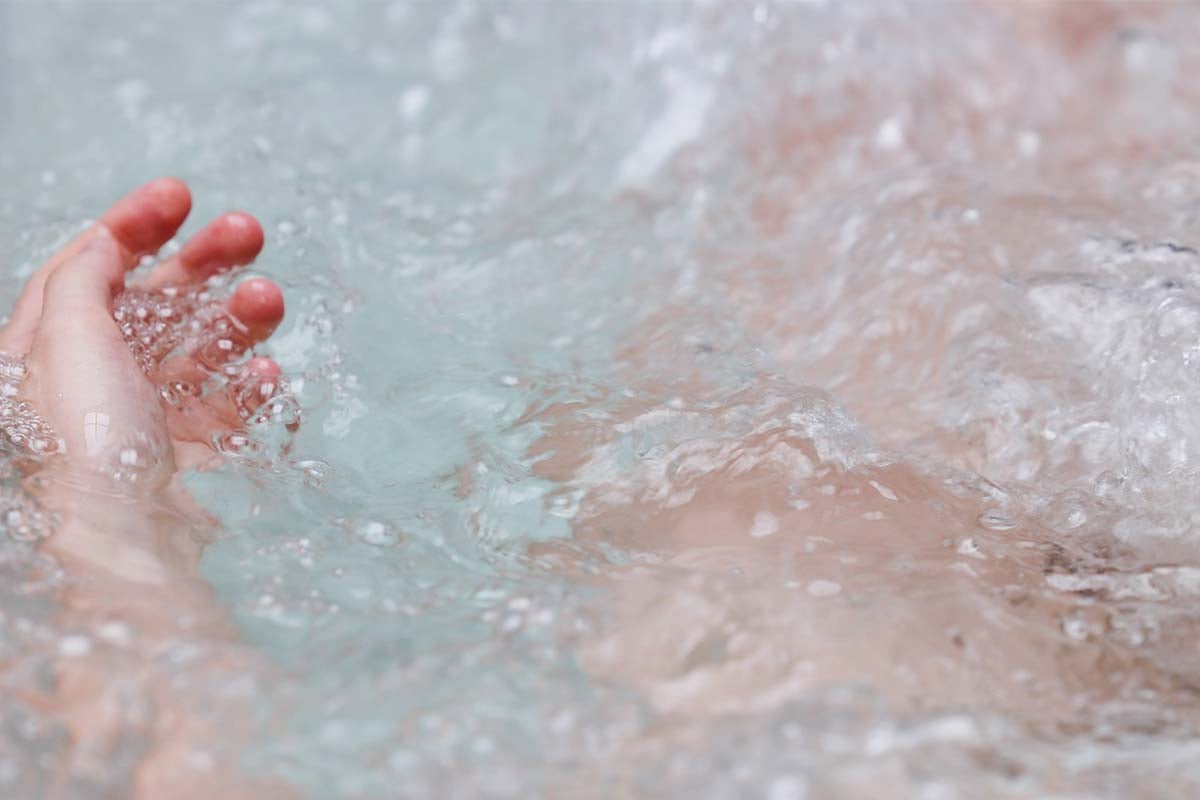
Cold water therapy has a positive effect on relieving muscle soreness and inflammation
Cold water immersion has a significant effect on circulation. When the body is submerged in cold water, the blood vessels constrict, reducing blood flow to the skin and extremities.
As the body exits the cold environment and begins to warm itself, blood flow increases, sending a surge of fresh, oxygen-rich blood throughout the body. This process enhances circulation, supporting overall cardiovascular function.
Improved circulation from cold therapy helps deliver more oxygen to muscles and vital organs, which is crucial for recovery and maintaining overall health.
A study on cold water showers found that after high-intensity exercise in heat, CWS improved heart rate recovery and thermal comfort, though it didn’t significantly lower core temperature or cortisol levels. While effective in reducing cardiac stress, CWS may not be as beneficial for cooling or hormone regulation.
Research has demonstrated that regular exposure to cold water can stimulate the immune system. Cold therapy increases the production of white blood cells, which help fight off illness and disease. Some studies suggest that cold water exposure enhances resilience against common illnesses, such as colds and flu, by boosting the body's natural defenses.
Improved sleep and relaxation
Many individuals who incorporate cold water therapy into their routines report improved sleep and relaxation. Cold water therapy has been linked to a reduction in stress and anxiety, thanks to the body's release of endorphins during cold exposure. Endorphins are natural pain relievers that create feelings of well-being and relaxation, contributing to better sleep quality.
This effect, combined with the reduction of muscle tension and soreness, makes cold therapy an effective tool for enhancing overall relaxation and sleep quality.
Mental health benefits
Beyond its physical advantages, cold water therapy is increasingly recognized for its profound impact on mental health and well-being.
Reduces stress and anxiety
One of the most immediate effects of cold water immersion is the sharp sensation of cold that triggers the body's fight-or-flight response. This leads to the release of endorphins and other neurotransmitters that elevate mood and reduce stress.
Over time, regular cold exposure can help build mental resilience, as the body adapts to the discomfort and stress of the cold, promoting a stronger mind-body connection.
Numerous cold water therapy users have reported a decrease in anxiety levels and improved emotional regulation after making cold plunges a part of their wellness routine.
Helps in losing weight
While cold water therapy is not a standalone solution for weight loss, it can contribute to metabolic improvements.
Cold exposure activates ‘brown fat’, a type of fat that burns calories to produce heat and keep the body warm. This process, called thermogenesis, can help burn additional calories, contributing to long-term weight loss when combined with other healthy lifestyle practices.
With the numerous mental and physical benefits of cold water therapy, you may be curious about how to incorporate it into your daily routine. The good news is that setting up a cold water therapy practice at home is quite simple.
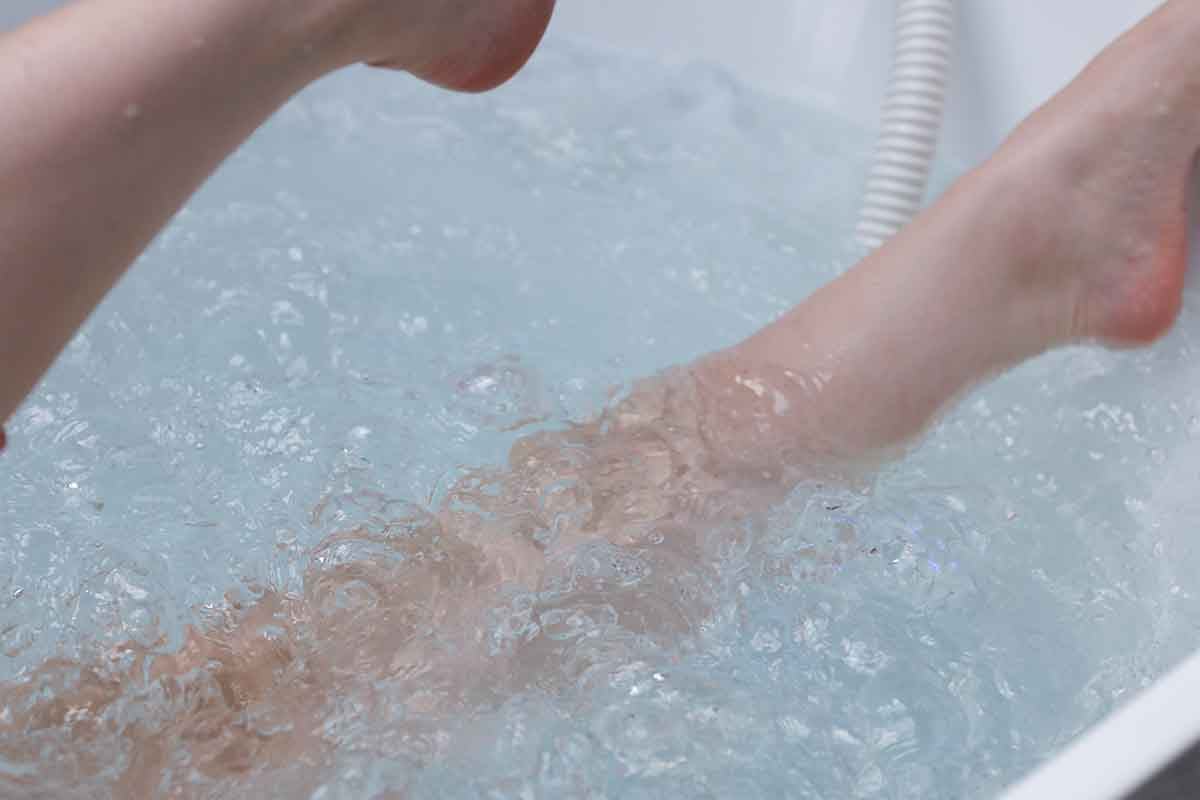
Cold water therapy can support weight management by boosting your metabolism and calorie burning
Setting up cold water therapy at home
The best part is that you don’t need specialized equipment or an expensive setup to experience its advantages. You can effectively incorporate cold water therapy into your daily routine from the comfort of your own home.
Begin with cold showers
Cold showers are one of the easiest and most affordable ways to start cold water therapy. This approach helps your body gradually adjust to cold exposure without requiring an ice bath or special equipment.
Start by taking a warm shower, then gradually lower the temperature. The cold may feel shocking at first, but deep breathing helps.
Stay under the cold water for 1-2 minutes, gradually increasing to 3-5 minutes as your body adjusts. Consistency is key—repeat several times a week for best results.
Fill a bathtub for an ice bath
For those looking to deepen their cold water therapy experience, creating your own ice bath at home with cold water and ice is a great option. This method provides a more immersive cold exposure, allowing for greater potential benefits.
To set up an ice bath, begin by filling your bathtub with cold water. Next, add ice to lower the water temperature, aiming for a range of 50-59°F (10-15°C). You can use ice packs or bags of ice from the store to achieve this. Once you have the ideal temperature, it’s time to immerse yourself.
When sitting in the ice bath, focus on your breathing. Taking slow, deep breaths can help calm your nervous system and make the experience more tolerable. Start with shorter durations of 10 minutes and gradually work up to 15 minutes or longer as your tolerance increases. Many find that the initial shock fades after a minute or two, leaving them with a sense of calm and rejuvenation as the body begins to warm up again.
Monitor the temperature range carefully
The optimal temperature for cold water therapy is typically between 50-59°F (10-15°C).
For beginners, it’s advisable to start at the higher end of this range. This allows your body to acclimate to the cold without overwhelming it.
As you become more accustomed to cold exposure, you can gradually decrease the water temperature for more intense experiences.
Monitoring your body’s response is essential. If you experience any dizziness, extreme discomfort, or shivering that doesn’t subside after a few moments, it’s important to exit the cold water and warm up gradually.
Remember, the goal of cold water therapy is to challenge your body in a safe and controlled manner, enhancing your health rather than causing distress.
Ready to set up your cold water therapy at home? Discover how wellcare can support you.
Cold shower tips for beginners
If you’re new to the practice, it’s essential to ease into it thoughtfully to make the experience more enjoyable and beneficial. Here are some tips you might want to consider:
Ease yourself into cold exposure
Starting with cold exposure can feel intimidating, but easing into it makes it much more manageable.
Instead of jumping into a freezing shower right away, begin with a warm shower and slowly lower the temperature for short intervals. Try dropping the water temperature for 15-30 seconds, then switch back to warm. This gives your body time to adjust without feeling overwhelmed.
As you get more comfortable, gradually extend the time you spend under cold water.
Eventually, you can work up to staying in the cold for several minutes. This slow, steady approach helps reduce the shock while letting you enjoy the benefits of cold exposure.
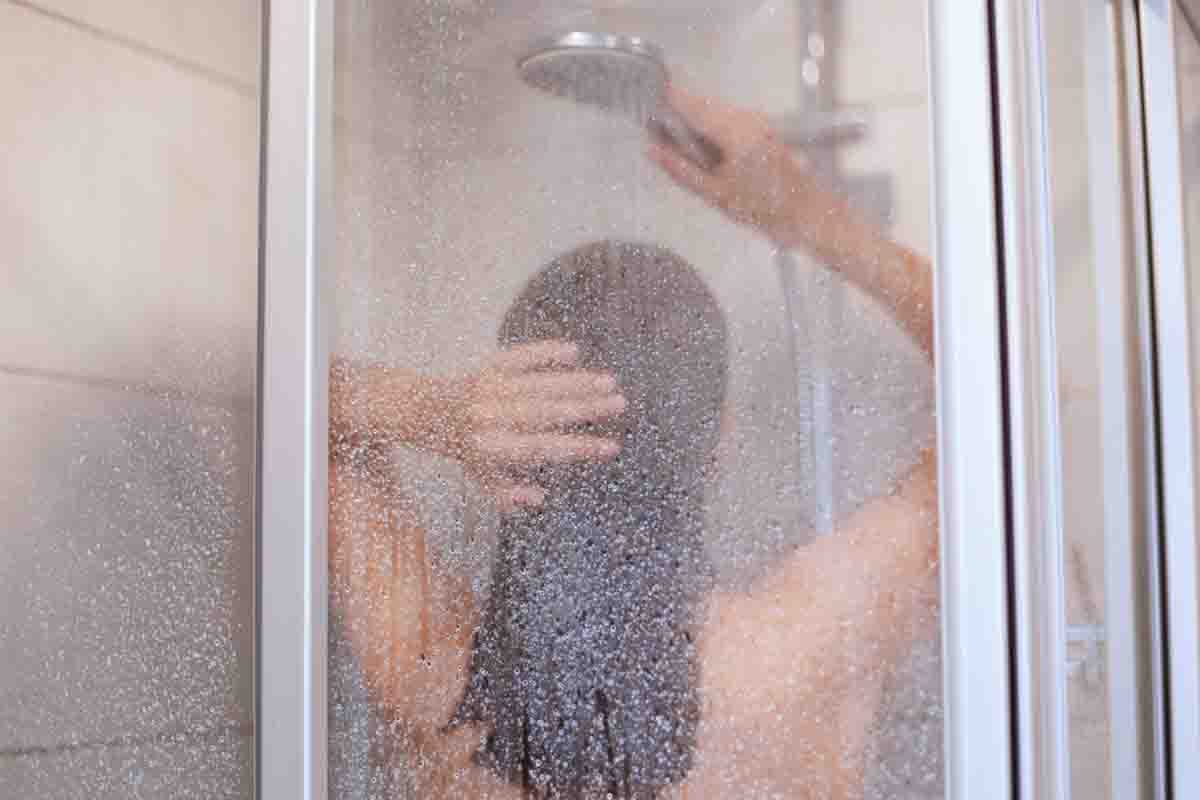
Start gradually—ease into cold showers by slowly lowering the water temperature, allowing your body to comfortably adapt
Practice breathing techniques
Breathing techniques play a crucial role in managing the initial shock of cold water. When exposed to cold, your body may instinctively react with quick, shallow breaths, which can heighten feelings of discomfort and anxiety.
To counter this, practice deep, controlled breathing.
Start by inhaling deeply through your nose, allowing your abdomen to expand as you fill your lungs with air. Hold the breath for a moment, and then exhale slowly through your mouth, feeling your body relax as you release the air.
This technique not only calms your mind but also helps regulate your body's response to the cold, making the experience more tolerable. With practice, you’ll find that you can maintain a more relaxed state even under cold conditions, enhancing the benefits of the shower.
Maintain consistency in your routine
Consistency is essential for successfully incorporating cold showers into your wellness routine.
Start by setting a specific time each week for your cold shower sessions. Begin with shorter durations, such as 1-2 minutes, and gradually increase the time as you become more comfortable. You might aim to take cold showers two to three times a week initially, then increase the frequency as your body adapts.
As you become more comfortable, you’ll likely notice improvements in your mood, energy levels, and overall well-being.
Safety considerations
It’s essential to listen to your body throughout the process.
Start with shorter durations, especially if you’re new to ice bathing. If you feel dizzy, lightheaded, or experience extreme discomfort, exit the bath immediately. Your safety is paramount; cold water therapy should not be painful.
Gradually increase your time in the ice bath as your body adapts.
If you’re a beginner, start with 5-10 minutes and then gradually work up to the recommended 10-15 minutes as you become more accustomed to the cold.
Temperature and duration
The ideal temperature for an ice bath is between 50-59°F (10-15°C). This range allows for effective cold therapy without putting you at risk for hypothermia or extreme discomfort.
Monitoring your body’s response to the cold is crucial; everyone’s tolerance levels differ.
Remember, you must always prioritize safety and comfort, and listen to your body as you explore this invigorating wellness practice.
Choosing the right cold water tub
Choosing the right tub is essential for achieving optimal recovery and wellness results.
The correct tub should maintain consistent cold temperatures, ideally between 50-59°F (10-15°C), to ensure uniform exposure and effective vasoconstriction.
Ice baths, for example, offer more reliable cold immersion compared to showers, where temperatures may fluctuate. It's also important to select a tub that is comfortable and large enough for full-body immersion, especially for athletes seeking thorough muscle recovery.
Additionally, easy temperature control and safety features are key considerations, especially for beginners or individuals with certain medical conditions
Transform your self-care routine today
Contrary to myths, cold therapy doesn’t require special equipment—simple cold showers or bathtubs work just as well. Even brief exposure (1-5 minutes) can provide significant benefits, such as increased alertness and energy levels.
While it strengthens the immune system by stimulating white blood cell production, it’s essential to note that not everyone is at risk, and most can practice cold therapy safely with precautions
Whether you're looking to speed up recovery after tough workouts, boost your mental clarity, or simply enhance your overall well-being, cold water therapy can be a game-changer.
The key is to start slow, listen to your body, and stay consistent.
Over time, cold water exposure can improve circulation, reduce inflammation, and increase your energy levels. Plus, it’s an effective way to reset mentally, leaving you feeling refreshed and focused.
So, why not take the plunge and explore the rejuvenating power of cold water today?
Transform your health with cold water therapy: find your perfect solution at Wellcare.
Cold water therapy should be approached progressively, and the revitalizing air bubbles enhance the hydrotherapy experience
FAQ
Q1: Does the Wellcare bubble bath mat heat the water? Is it suitable for cold water therapy?
The Wellcare bubble bath mat features a built-in warm air function to create soothing bubbles, but it does not heat up or maintain the water temperature. This actually makes it perfect for cold water therapy! You can simply fill your bathtub with cold water and activate the mat to experience a refreshing "Cold Air Bubble Bath". The gentle bubbles and vibrations help you relax deeper during the cold immersion, enhancing your recovery experience.
👉 View Wellcare Bubble Bath Mat Details
Q2: Besides cold exposure, what are the benefits of a bubble spa?
Powered by Wellcare’s exclusive 4D DWF (Dynamic Warmth Flow) technology, the spa mat creates a dynamic water flow with bubbles, waves, and negative ions. This nature-inspired experience helps relieve tense muscles, reduce stress, and improve sleep quality , transforming your simple cold bath into a luxurious home spa retreat.
👉 Explore Wellcare Hydrotherapy Solutions
Disclaimer: Before starting cold water therapy, it’s crucial to consult a physician, especially if you have cardiovascular, respiratory, or chronic health issues. Cold exposure can lead to adverse effects like rapid heart rate or restricted blood flow. A medical consultation ensures safe practice and appropriate adjustments for your health needs.