.png?width=512&name=united-kingdom%20(1).png "united-kingdom (1)")
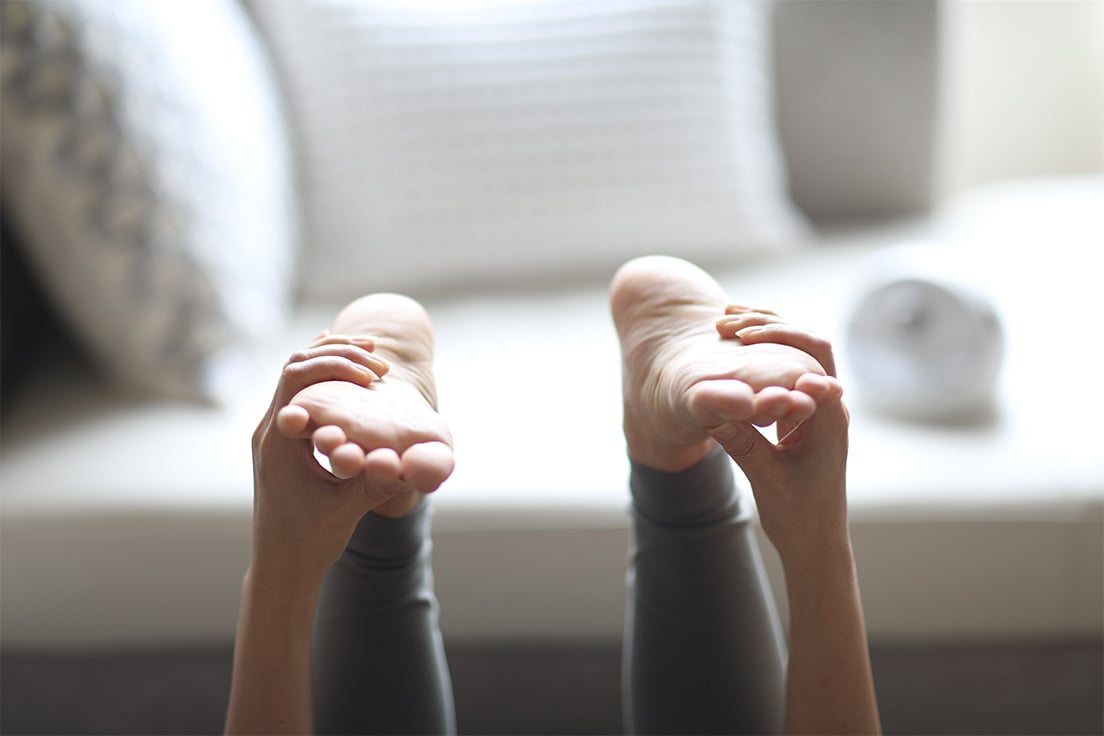
Bringing home a newborn is a journey filled with love, but it often comes with a fair share of sleepless nights. As a parent, you naturally look for ways to help your baby and yourself find a sense of calm during these overwhelming moments. One of the most helpful tools in the modern nursery is white noise, a simple solution that has provided comfort to families for decades.
Whether you are curious about how it works or concerned about its safety, this guide provides clear, logical answers based on clinical research and nearly 30 years of experience in sound relaxation. By understanding the science behind these soundscapes, you can create a more peaceful environment for your entire household.
Common Questions and Myths About White Noise
White noise is a consistent sound that includes all audible frequencies at equal intensity. It is similar to the steady hum of an air conditioner or the gentle hiss of a fan. For nearly 30 years, the Naturcare Sound Relaxation system has helped over a million families experience these benefits through high-quality soundscapes.
1. What is White Noise?
The scientific white noise meaning refers to a sound that contains every frequency within the range of human hearing, all at an equal intensity. You can find examples of this in everyday life through sounds like television static or the constant whir of an office ventilation system.
2. How Does White Noise Work?
White noise works through a mechanism called sound masking. By creating a consistent auditory environment, it helps the brain tune out sudden or distracting noises that might otherwise cause stress.
3. Is White Noise the Same as Other Types of Noise?
No, there are distinct differences between white, pink, and brown noise. While white noise includes all frequencies equally, pink and brown noise emphasize lower frequencies to create a deeper, more soothing listening experience.
4. Can White Noise Help Improve Sleep?
Yes, it can aid in falling asleep faster and significantly improving overall sleep quality. It masks disruptive environmental sounds that might otherwise wake you up during sensitive sleep cycles.
5. Are There Any Risks Associated with Using White Noise Machines?
The potential white noise machine risks are minimal when the devices are used at moderate, safe volumes. It is important to follow manufacturer guidelines and keep the sound at a comfortable level to protect long-term hearing.
6. Can White Noise Help Babies Sleep?
Many pediatricians recommend white noise for baby sleep because it provides a familiar, comforting environment. Approximately 49 to 51% of newborns use these sound pacifiers to help them stay calm and settle into sleep more easily.
7. Is White Noise Effective for Focus and Productivity?
Yes, white noise can improve focus and productivity in both work and study environments. It is particularly beneficial in open-plan offices where it can mask distracting background conversations or equipment noise.
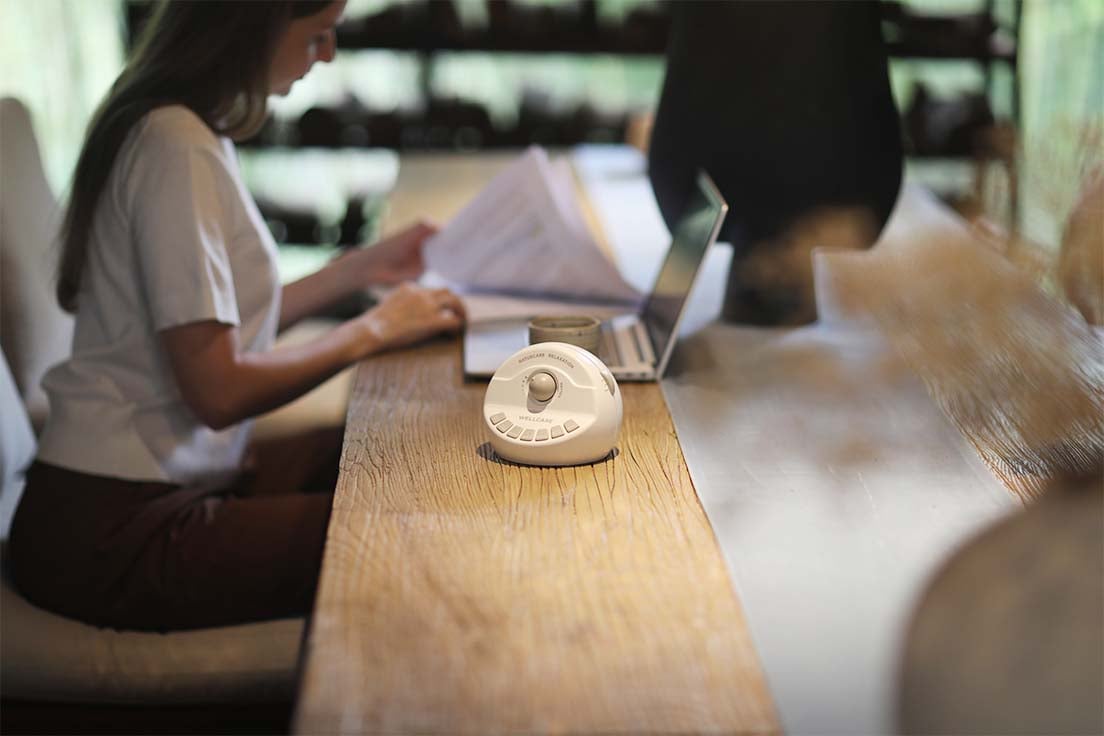
Tune out the chaos. Let white noise and green sound wrap you in a private audio bubble for deep focus and pure relaxation
8. Are All White Noise Machines the Same?
There are many types of white noise machines available on the market today. Some offer a wide range of natural soundscapes while others focus solely on basic white noise, so it is important to look for features like high sound quality and volume control.
9. Can White Noise Help with Tinnitus?
Many individuals use white noise for tinnitus relief because it can provide comfort by masking ringing or buzzing sounds. Doctors often recommend it as a supportive tool for symptom management, though it is not a medical cure.
10. What is Pink Noise?
Pink noise emphasizes lower frequencies and often resembles natural sounds like steady rainfall or rustling leaves. Many people find this type of sound even more soothing and effective for relaxation than standard white noise.
11. What is Brown Noise?
Brown noise has even more energy at lower frequencies than pink noise. It creates a much deeper, bass-like sound that is often compared to the powerful roar of the ocean surf or a distant thunderclap.
12. Can White Noise Help with ADHD Symptoms?
Some studies suggest that white noise may help individuals with ADHD by improving concentration and supporting task performance. By providing a consistent background sound, it helps filter out the unpredictable external stimuli that can be distracting.
13. Is White Noise Safe for Long-Term Use?
According to experts at Harvard Health, white noise is generally considered safe for long-term use when used at safe volumes. It can be a healthy part of a daily routine to promote better rest and focus.
14. Can White Noise Improve Memory?
Preliminary studies suggest that white noise may enhance memory by promoting deeper sleep cycles. While more research is needed, the link between high-quality sleep and memory consolidation is well established in the scientific community.
15. Does White Noise Affect REM Sleep?
Recent research indicates that if white noise is used at excessively high volumes, such as 50 decibels or higher, it can cause frequent micro-arousals in the brain and shorten REM (Rapid Eye Movement) sleep, which is the vital sleep stage responsible for processing memories and restoring mental clarity. When this stage is interrupted, your sleep becomes shallower and less refreshing. This is why using a device with precise volume control is essential for a healthy sleep environment.
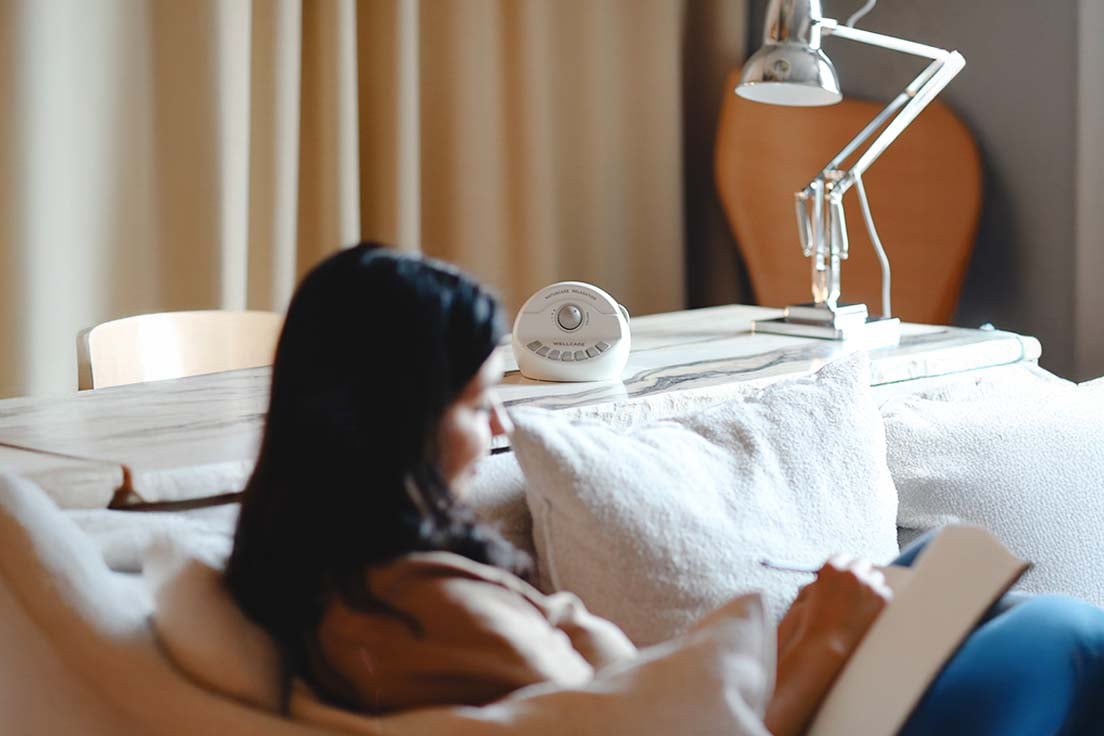
Louder is not better, max sound level set to 70dB for hearing protection
16. Can White Noise Be Used for Meditation?
Yes, it can serve as a very effective calming background sound during meditation practices. It helps block out external distractions, allowing you to reach a state of calm and focus more quickly.
17. Is White Noise the Same as Brown Noise?
No, these two types of noise have different auditory profiles. Brown noise has higher energy at lower frequencies, producing a much deeper and heavier sound compared to the more balanced sound of white noise.
18. Can White Noise Help with Anxiety?
White noise may help reduce anxiety by providing a consistent auditory environment that promotes a sense of relaxation. This is particularly true for natural sounds, which research shows can lower cortisol levels and reduce stress.
19. Is White Noise Effective for Shift Workers?
Yes, it is highly effective for shift workers who must sleep during the day. It helps them rest by masking daytime noises like traffic, sirens, or neighborhood activity that would otherwise disrupt their sleep.
20. Can White Noise Help with Migraines?
Some individuals find relief from migraines by using white noise to mask environmental sounds that might otherwise trigger a headache. It acts as a gentle filter for the sharp or sudden noises that often aggravate migraine symptoms.
21. How Can I Incorporate White Noise into My Routine?
You can introduce white noise into your environment through dedicated machines, apps, or even household fans. Using it consistently during sleep or work can help your brain recognize it as a signal to rest or focus.
22. Are There Different Types of White Noise Machines?
Yes, machines vary significantly in their features, including the quality of the speakers and the variety of additional sounds they offer. It is important to choose a device that fits your specific needs for sound variety and ease of use.
23. Can White Noise Be Used for Sound Masking in Offices?
Yes, white noise is an excellent tool for sound masking in professional office settings. It can enhance privacy in shared working spaces by making it much harder for others to overhear sensitive or private conversations.
24. Is White Noise Effective for Studying?
White noise can improve focus in study environments by masking distracting background noises. This helps students maintain concentration for longer periods and enter a productive flow state more easily.
25. Can White Noise Help with Sensory Processing Disorders?
White noise can be highly beneficial for children with sensory processing disorders or ADHD by helping them concentrate better and feel significantly calmer. It provides a stable auditory foundation that assists them in navigating challenging or unpredictable environments with much less stress. You can find additional resources on managing these sensitivities at The Home Sapiens.
26. Is White Noise the Same as Static from a TV?
Yes, the static heard from an untuned television or radio is a classic form of white noise. It contains all audible frequencies at equal intensity, creating that recognizable hissing sound.
27. Can White Noise Help with Hyperacusis?
For individuals with hyperacusis, which is an increased sensitivity to everyday sounds, white noise can act as a helpful desensitization tool. You can explore more about the science behind white noise and how it helps your brain and ears to understand this process better.
28. Is White Noise Safe for Pets?
White noise is generally safe for pets and can help mask disruptive sounds like thunder or fireworks that often cause anxiety. Owners should monitor their pet's reaction and adjust the volume to ensure the animal feels comfortable and safe.
29. Can White Noise Be Used for Relaxation?
Yes, it enhances relaxation by providing a consistent auditory environment that helps the brain tune out sudden noises. This promotes a sense of calm that can be beneficial after a long and stressful day.
30. Can White Noise Help with Jet Lag?
White noise can aid in adjusting to new time zones by masking unfamiliar sounds in hotels or on airplanes. This helps travelers sleep better upon arrival, making it easier for their bodies to adapt to a new schedule.
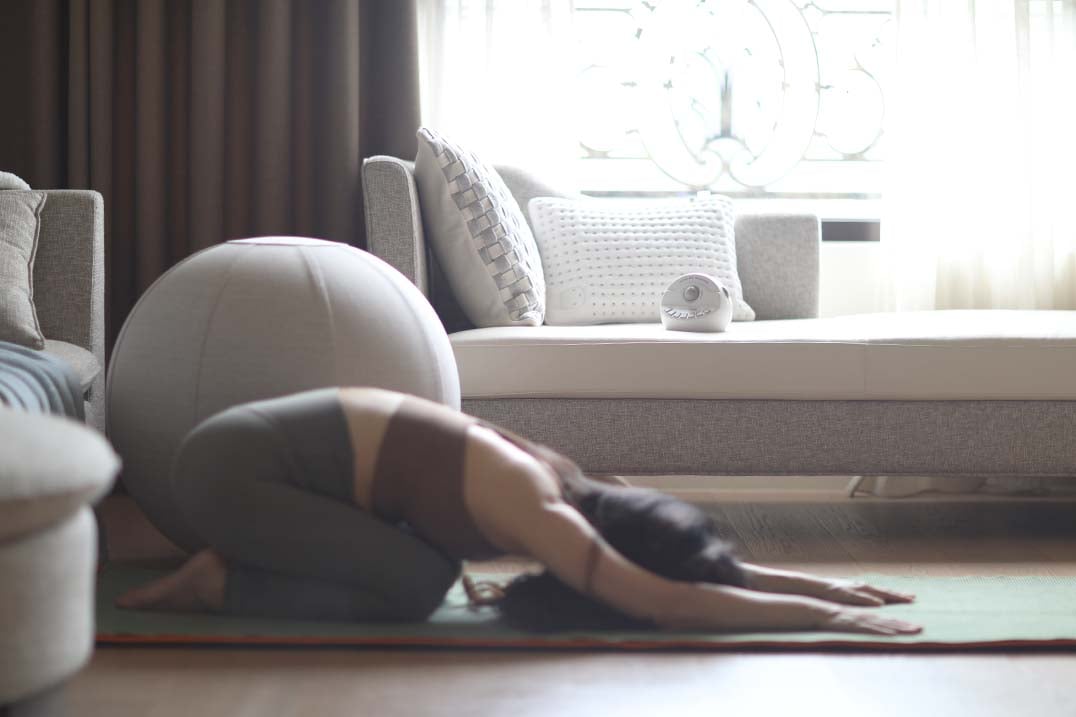
Setting your naturcare sound relaxation just below the level of your tinnitus helps your brain gently blend both sounds, distracting it and teaching it to naturally tune out the ringing
Conclusion
From helping a newborn sleep safely to aiding professionals in a busy office, the benefits of white noise are vast and supported by decades of clinical research. Whether you are seeking better sleep, increased focus, or a way to manage tinnitus, the right soundscape can make a significant difference in your daily well-being.
To explore how a high-quality soundscape can transform your home environment, you can view the Naturcare Sound Relaxation collection here. For more information on safe sleep practices for your infant, you can also consult the experts at the Mayo Clinic for additional guidance.
Note: Always consult with a healthcare professional before using white noise for medical purposes, especially if you have underlying health conditions.