.png?width=512&name=united-kingdom%20(1).png "united-kingdom (1)")

Did you know as per research by the UCLA Health, 70% of your immune system resides in your gut.
So, gut health is not just about keeping your stomach issues away. Good gut health helps in reducing any kind of gastrointestinal issues, it also helps in maintaining the other systems in your body running smoothly. The ultimate balance is crucial for various aspects of health, including digestion, nutrient absorption, immune function, and even mental health.
This guide will delve into why gut health is so important and offer practical tips on how to include gut-friendly foods in your daily meals.
Foods that promote gut health
Including a variety of gut-friendly foods in your diet can greatly enhance gut health by promoting a balanced and diverse gut microbiome.
A diet abundant in probiotics, prebiotics, fiber, fermented foods, and polyphenol-rich options supports digestion, strengthens the immune system, and may help prevent chronic diseases. Here are some types of foods that support gut health:
1. Probiotics
Probiotics are beneficial bacteria that, when consumed, can help maintain or restore a healthy balance of gut bacteria. These microorganisms contribute to overall digestive health by aiding digestion, enhancing immune function, and preventing the growth of harmful bacteria.
Common sources of probiotics:
Contains live cultures such as Lactobacillus and Bifidobacterium.
Kefir
A milk drink that is rich in diverse strains of probiotics.
Certain Cheeses
Some types of cheese, like Gouda, mozzarella, cheddar, and cottage cheese, can contain probiotics.
Probiotic supplements
Available in various forms such as capsules, tablets, or powders, though it's often recommended to obtain probiotics from natural food sources when possible.
2. Prebiotics
Prebiotics are types of dietary fiber that feed the beneficial bacteria in your gut. Unlike probiotics, which are live bacteria, prebiotics are non-digestible food components that promote the growth of probiotics.
Common sources of prebiotics:
Chicory Root
High in inulin, a type of prebiotic fiber.
Garlic
Contains fructans, a group of prebiotics.
Onions
Another source of fructans, which support the growth of beneficial bacteria.
Leeks
Similar to onions, leeks are rich in prebiotic fiber.
Asparagus
Contains inulin, which supports gut bacteria.
Bananas
Particularly unripe bananas, which are a good source of resistant starch, a type of prebiotic.
Oats: Rich in beta-glucan, a type of prebiotic fiber.
3. Fiber-rich foods
Dietary fiber is crucial for digestive health as it adds bulk to the stool and promotes regular bowel movements. Fiber also acts as a food source for gut bacteria, supporting their growth and diversity.
Common sources of fiber-rich foods:
Whole Grains
Such as oats, barley, and brown rice, which are high in soluble and insoluble fiber.
Legumes
Beans, lentils, and peas are packed with fiber.
Fruits
Apples, pears, berries, and oranges are rich in dietary fiber.
Vegetables
Broccoli, carrots, and Brussels sprouts provide high levels of fiber.
Nut and Seeds
Almonds, chia seeds, and flaxseeds are excellent sources of fiber.
4. Fermented foods
Fermented foods are those that have been through a process of lacto-fermentation, where natural bacteria feed on the sugar and starch in the food, creating lactic acid. This process not only preserves the food but also creates beneficial enzymes, B-vitamins, omega-3 fatty acids, and various strains of probiotics.
Common sources of fermented foods:
A fermented tea rich in probiotics.
Pickles
Fermented cucumbers, particularly those that are not vinegar-based, contain probiotics.
Natto
A Japanese dish made from fermented soybeans, rich in probiotics and vitamin K2.
Fermented Vegetables
Beyond sauerkraut and kimchi, other vegetables like carrots, beets, and radishes can also be fermented.
Miso
A traditional Japanese seasoning made from fermented soybeans, often used in soup.
Tempeh: A fermented soybean product from Indonesia that is rich in probiotics and protein.
5. Polyphenol-rich foods
Polyphenols are plant compounds that have antioxidant properties and support gut health by promoting the growth of beneficial bacteria and reducing inflammation in the gut.
Common sources of polyphenol-rich foods:
Blueberries, strawberries, and raspberries are rich in polyphenols.
Green Tea
Contains catechins, a type of polyphenol with numerous health benefits.
Dark Chocolate
High in flavonoids, a group of polyphenols that support gut health.
Red Wine
In moderation, red wine is a source of resveratrol, a polyphenol with antioxidant properties.
Olive Oil
Extra virgin olive oil is rich in polyphenols that can support gut health.
Nuts
Particularly walnuts and almonds, which are high in polyphenols.
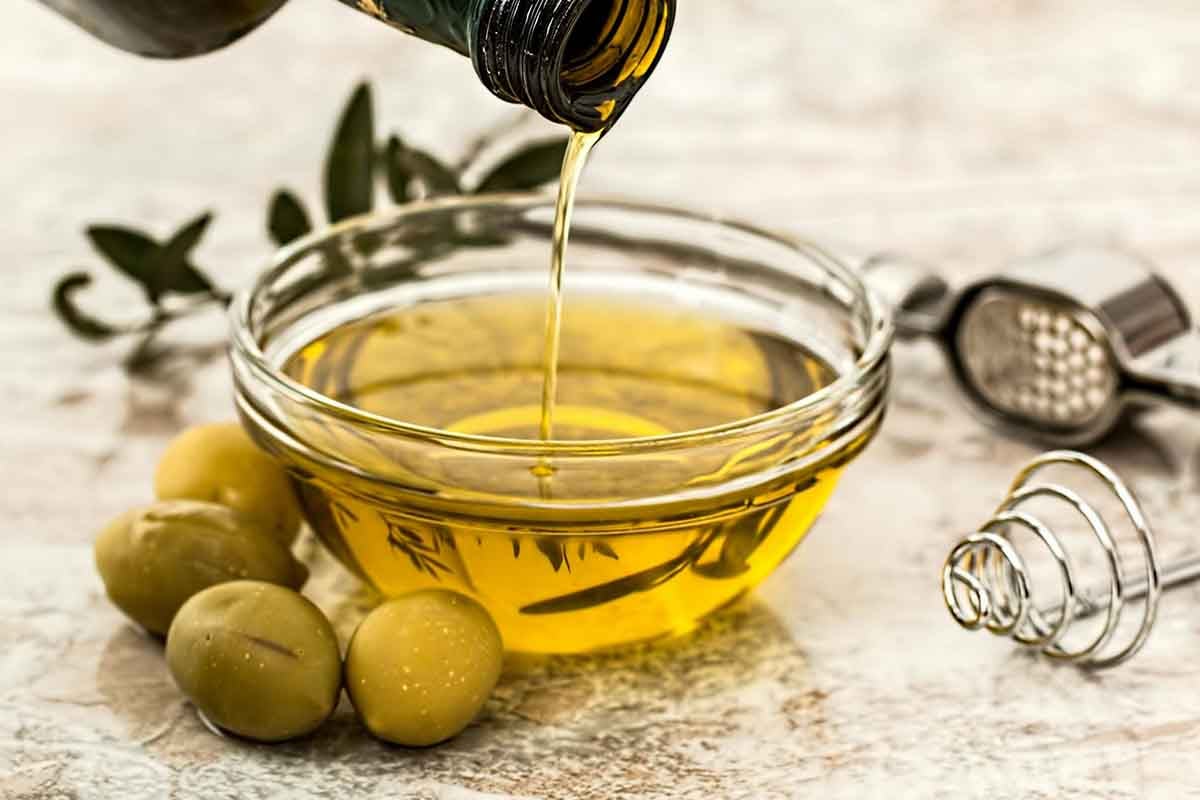
Enhance your gut health with polyphenol-rich ingredients like fresh vegetables and extra virgin olive oil
Creating a gut-friendly diet
A gut-friendly diet focuses on nourishing and balancing your gut microbiome by incorporating a variety of foods that promote digestive health while minimizing foods that can harm it. Here’s a guide to creating such a diet:
Balanced meals
Balanced meals are essential for supporting gut health. A gut-friendly meal should include a mix of macronutrients (proteins, fats, and carbohydrates) and micronutrients (vitamins and minerals) along with fiber and probiotics.
Key components:
Choose lean meats, fish, eggs, beans, and legumes.
Healthy Fats
Include sources like olive oil, avocados, nuts, and seeds.
Complex Carbohydrates
Opt for whole grains, vegetables, and fruits that are high in fiber.
Fiber
Aim for both soluble and insoluble fiber from vegetables, fruits, whole grains, and legumes.
Probiotics and Prebiotics
Incorporate yogurt, kefir, and fermented vegetables, along with prebiotic-rich foods like garlic and onions.
How to incorporate gut health foods into daily meals
Incorporating gut-friendly foods into daily meals doesn’t have to be complicated. Here are some practical tips:
Start with a probiotic-rich yogurt topped with oats, chia seeds, and berries. Add a spoonful of flaxseeds for extra fiber.
Lunch
Make a salad with a variety of colorful vegetables, including leafy greens (high in fiber), a serving of quinoa or brown rice (complex carbs), and a source of protein like grilled chicken or beans. Add fermented vegetables like kimchi or sauerkraut on the side.
Snacks
Choose fiber-rich snacks such as an apple with almond butter, or a handful of mixed nuts and seeds. Include a piece of dark chocolate to add polyphenols.
Dinner
Prepare a balanced meal with grilled salmon (omega-3s for inflammation control), steamed broccoli (fiber), and a serving of fermented food like miso soup.
Hydration
Drink plenty of water throughout the day, aiming for at least 8 cups. You can also include kombucha or herbal teas for variety.
Sample meal plan
Here’s a sample one-day meal plan designed to promote gut health:
Greek yogurt with mixed berries, a tablespoon of chia seeds, and a drizzle of honey. Serve with a slice of whole-grain toast topped with avocado.
Lunch
Quinoa salad with mixed greens, cherry tomatoes, cucumbers, chickpeas, and a lemon-olive oil dressing. Add a serving of sauerkraut on the side.
Snack
A handful of almonds and a small serving of kefir.
Dinner
Grilled chicken breast with roasted sweet potatoes, steamed asparagus, and a serving of kimchi. Finish with a square of dark chocolate.
Evening snack
A banana with a sprinkle of cinnamon and a small glass of kombucha.
Lifestyle tips for gut health
In addition to diet, lifestyle factors play a significant role in maintaining a healthy gut.
Staying hydrated is crucial for digestion and nutrient absorption. Water helps break down food and supports the function of the digestive organs. Aim for at least 8 cups of water daily, more if you’re active or live in a hot climate.
Regular physical activity
Exercise stimulates the muscles in your digestive tract, promoting regular bowel movements and reducing the risk of constipation. Activities like walking, swimming, and yoga are particularly beneficial.
Managing stress
Chronic stress can disrupt the gut-brain axis, leading to issues like irritable bowel syndrome (IBS) and inflammation. Practices like meditation, deep breathing exercises, regular physical activity, and even creating a relaxing home spa experience can help manage stress levels effectively.
Take your relaxation to the next level. Discover how Wellcare’s hydrotherapy solutions can help you manage stress and support your gut health. Learn more about Wellcare Hydrotherapy Solutions.
Check for food intolerances: Identifying and avoiding foods that trigger digestive discomfort, such as lactose or gluten, can prevent gut inflammation and discomfort. Keeping a food diary can help you track symptoms and identify potential intolerances.
Foods to avoid for gut health
Just as certain foods can benefit gut health, others can harm it. Here are some of the worst foods for gut health:
Processed foods
They often contain additives, preservatives, and artificial ingredients that can disrupt the gut microbiome and promote inflammation. Examples of processed food include fast food, frozen meals, packaged snacks, processed meats (like hot dogs and sausages), and sugary cereals.
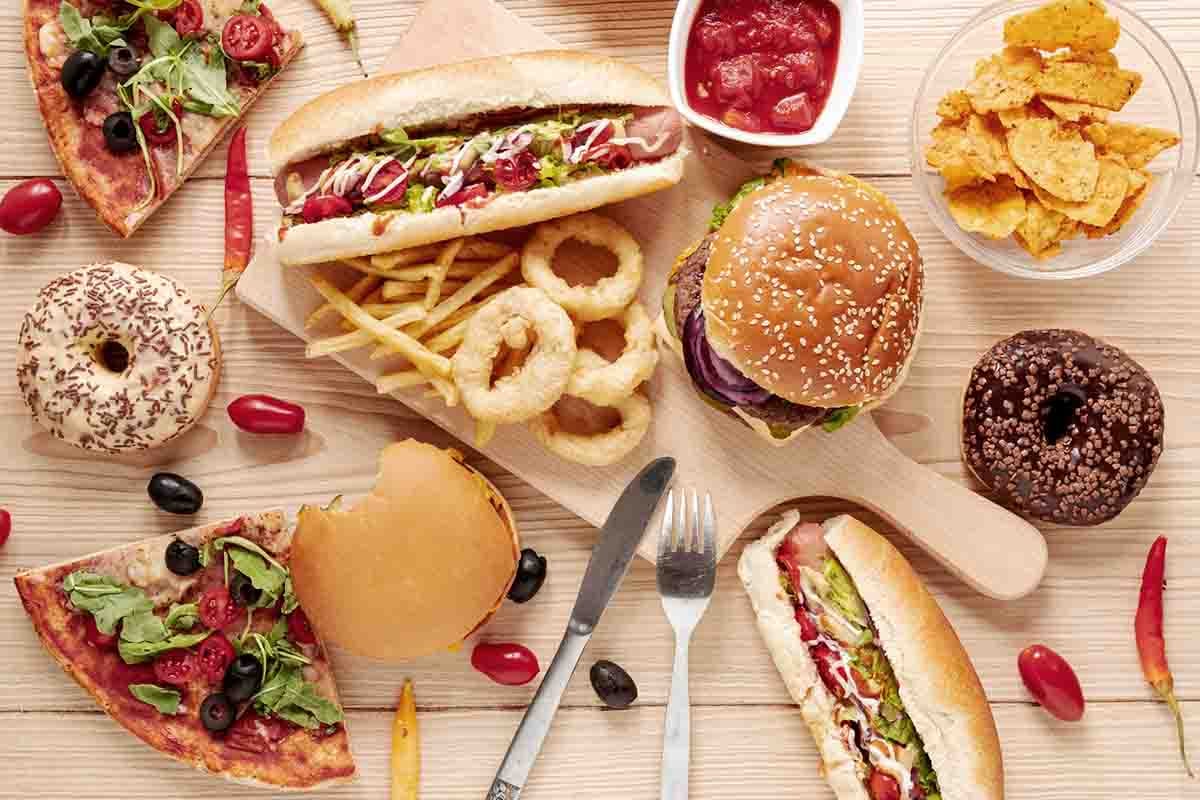
Processed foods like sugary snacks, sodas, and chips can negatively impact your gut microbiome and increase inflammation
High-sugar foods
Excessive sugar intake can feed harmful bacteria and yeast in the gut, leading to imbalances and promoting the growth of pathogens. It can also reduce the diversity of beneficial bacteria.
Artificial sweeteners and additives
Some artificial sweeteners, such as aspartame and sucralose, may negatively impact the gut microbiome by reducing beneficial bacteria and promoting the growth of harmful microbes. Other additives, like emulsifiers, can also disrupt the gut lining and cause inflammation.Artificial sweeteners, emulsifiers (carboxymethylcellulose, polysorbate-80), and preservatives (sodium benzoate, potassium sorbate).
FAQs on gut health foods
Understanding gut health and the foods that promote it is crucial for overall well-being. However, there are many misconceptions and questions surrounding this topic.
Here’s a detailed look at common FAQs on gut health foods, along with practical advice and myth-busting information.
1. Are all fermented foods good for gut health?
Answer: Not all fermented foods are created equal when it comes to gut health. While many fermented foods contain beneficial bacteria, some may not have live probiotics by the time they reach your plate.
For instance, commercial sauerkraut or pickles that are pasteurized may lose their probiotic content. Always look for unpasteurized, live-cultured products to ensure you’re getting probiotics.
Practical advice: When buying fermented foods, check labels for terms like "live cultures," "raw," or "unpasteurized" to ensure you're getting the gut-friendly benefits.
2. Can you get enough probiotics from diet alone?
Answer: Yes, you can get enough probiotics from your diet if you regularly consume a variety of probiotic-rich foods. However, certain circumstances, such as taking antibiotics, may require additional probiotic support through supplements.
Practical advice: Focus on a diverse diet that includes different sources of probiotics to maintain a healthy balance of gut bacteria. If you’ve been on antibiotics or have digestive issues, consider consulting a healthcare provider about supplements.
3. Does cooking kill probiotics in fermented foods?
Answer: Yes, high heat can kill the live bacteria in fermented foods, reducing their probiotic benefits. Cooking or heating fermented foods like sauerkraut or miso can diminish their probiotic content.
Practical advice: To retain the probiotic benefits, add fermented foods to dishes after they’ve been cooked, or enjoy them raw. For example, add sauerkraut to your plate after serving a hot meal rather than cooking it.
4. Are sugar and artificial sweeteners really that bad for gut health?
Answer: Yes, excessive sugar and certain artificial sweeteners can negatively impact gut health. High sugar intake can feed harmful bacteria and yeast in the gut, leading to imbalances. Some artificial sweeteners, like aspartame and sucralose, have been shown to alter the gut microbiome in ways that may promote metabolic issues.
Practical advice: Limit your intake of high-sugar foods and beverages. Instead, satisfy your sweet tooth with whole fruits, which provide fiber and nutrients along with natural sugars. Be cautious with artificial sweeteners and opt for natural alternatives like stevia or small amounts of honey.
Misconceptions about gut health foods
There are many misconceptions about gut health foods that can lead to confusion. Here are a few common myths and the truths behind them:
Myth 1: All fermented foods are high in probiotics.
Fact: Not all fermented foods contain live probiotics. Some commercially available fermented foods are pasteurized, which kills the beneficial bacteria. Always check the label for terms like "live cultures" or "unpasteurized."
Myth 2: You can’t eat too much fiber.
Fact: While fiber is important, too much fiber, especially too quickly, can cause digestive discomfort like bloating, gas, and constipation. Gradually increase fiber intake and ensure adequate hydration.
Myth 3: Probiotic supplements are better than food.
Fact: While supplements can be helpful, food sources of probiotics are often more beneficial because they provide additional nutrients that support gut health. Aim to get probiotics primarily from your diet.
Myth 4: The more probiotics you consume, the healthier your gut will be.
Fact: Balance is key. Overconsumption of probiotics, especially in supplement form, can lead to digestive issues like gas, bloating, or even infections in immunocompromised individuals. It's important to focus on a balanced diet that includes prebiotics and probiotics.
Myth 5: Gut health foods are a fad.
Fact: Research increasingly supports the critical role of gut health in overall well-being. The gut microbiome's influence on everything from digestion to mental health is well-documented, making gut health a significant area of interest in both science and nutrition.
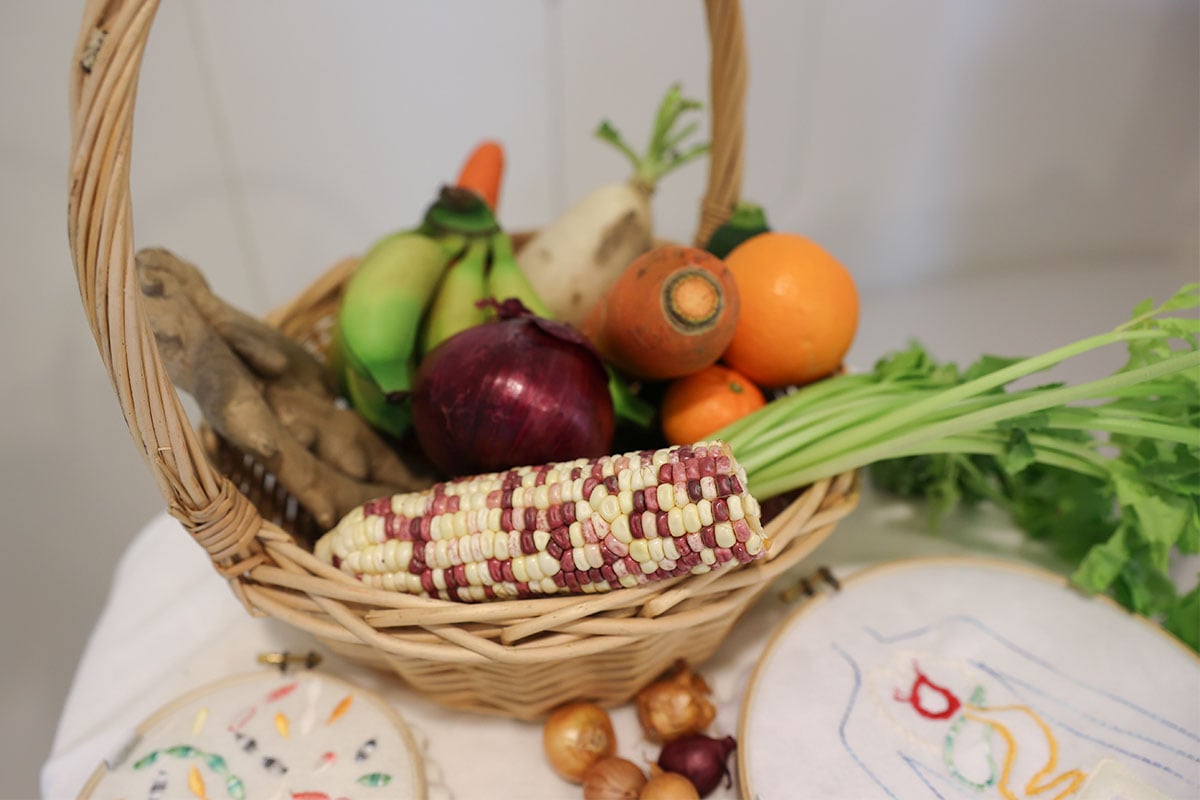
Gut-Brain Axis Content Creation by the Wellcare Team
Maintaining gut health is crucial for overall health
To maintain a balanced gut microbiome and start your journey toward better gut health, consider the following tips:
• Add a serving of probiotic-rich food, such as yogurt or kefir, to your daily routine.• Ensure each meal includes a balanced mix of proteins, healthy fats, complex carbs, and fiber.
• Limit your intake of processed foods, high sugar, and artificial sweeteners.
• Stay hydrated, exercise regularly, and manage stress to achieve optimal gut health.
By taking these steps, you'll not only improve your gut health but also enhance your overall well-being, setting the foundation for a healthier, more vibrant life.