.png?width=512&name=united-kingdom%20(1).png "united-kingdom (1)")
Water has been a source of healing for centuries, revered for its ability to soothe, cleanse, and rejuvenate.
From ancient Roman baths to modern spas, the therapeutic use of water has transcended cultures and generations, providing relief for humans and animals alike.
This practice, known as water therapy or hydrotherapy, harnesses the natural properties of water to alleviate pain, improve circulation, and promote overall well-being.
Hydrotherapy is a holistic treatment that employs water in various forms—hot, cold, or moving—to address physical and mental ailments. Its applications range from easing joint stiffness to accelerating recovery from injuries.
In fact, research studies claim that Japanese water therapy can address a wide range of health issues, including constipation, high blood pressure, type 2 diabetes, and even cancer.
In this blog, we will delve into the benefits of water therapy, explore its practical uses for specific conditions, and highlight how it serves both people and pets.
Water therapy and its different forms
Water therapy is a natural treatment method that leverages the physical properties of water—temperature, buoyancy, and movement—to alleviate pain, promote healing, and enhance overall well-being. Its versatility makes it a widely used therapy for addressing various conditions, from chronic pain to injury recovery.
Hydrotherapy comes in several forms, each offering unique therapeutic benefits:
A warm water bath designed to relax muscles, reduce stiffness, and improve blood circulation. Often infused with therapeutic salts or oils, these baths are used to relieve stress, ease tension, and support recovery from physical exertion.
Whirlpool therapy
This involves sitting or immersing in water with jets that create a massaging effect. The combination of warmth and gentle pressure helps reduce pain, increase joint mobility, and stimulate healing for injuries. Whirlpool therapy is commonly used in rehabilitation settings for musculoskeletal conditions.
Hydrotherapy spa
Combining heat, water pressure, and buoyancy, hydrotherapy spas provide an all-encompassing relaxation experience. Ideal for managing stress and chronic conditions, they offer therapeutic benefits for both physical and mental health.
Hydrotherapy tubs
These are specially designed tubs with temperature control and jet systems to target specific areas of the body. Often used in clinical or home settings, they are a convenient option for localized treatment, such as easing arthritis pain or post-surgery rehabilitation.
Each form of water therapy utilizes the therapeutic effects of water differently, making it a versatile and effective approach to holistic care. Whether for relaxation, pain relief, or recovery, hydrotherapy demonstrates the remarkable healing power of water, benefiting people and animals alike.
Hydrotherapy for human body pain
Hydrotherapy, a natural and effective treatment, uses water to alleviate pain, improve mobility, and promote healing. For various conditions such as arthritis, fibromyalgia, burns, and stress-related discomfort, hydrotherapy offers targeted solutions that address both physical and mental well-being.
1. Arthritis Hydrotherapy
Arthritis is a prevalent condition marked by joint pain, stiffness, and inflammation. Everyday movements can become challenging due to the pressure and discomfort in affected joints. Hydrotherapy is a proven way to manage arthritis pain by taking advantage of water's buoyancy.
Benefits of Hydrotherapy for Arthritis:
Water reduces the body’s weight, relieving stress on joints and allowing for pain-free movement. Warm water further relaxes the muscles around the joints, improving flexibility and blood circulation.
Types of Hydrotherapy for Arthritis
Whirlpool Therapy: The therapeutic jets in whirlpool baths provide a gentle massage to soothe painful joints, reducing stiffness and inflammation.Hydrotherapy Tubs: Immersion in warm water helps alleviate pain and relax the entire body, making daily activities more manageable.
Hydrotherapy Massage: By focusing on specific muscles and joints, this approach combines water pressure with targeted relaxation, offering relief from arthritis pain.
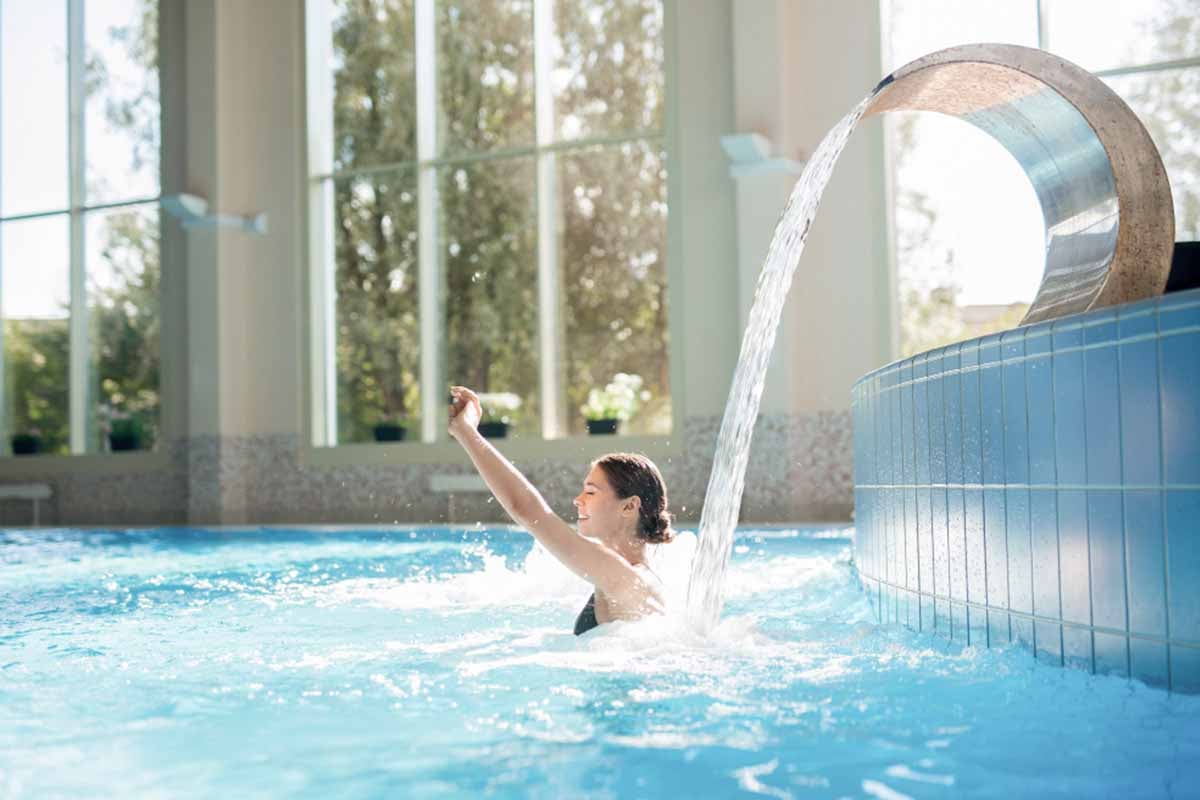
Whirlpool baths offer soothing relief by gently massaging joints, reducing stiffness, and easing arthritis-related inflammation
2. Fibromyalgia Hydrotherapy
Fibromyalgia is a chronic condition characterized by widespread musculoskeletal pain, fatigue, and heightened sensitivity to touch. Hydrotherapy offers a gentle, non-invasive way to manage its symptoms.
Benefits of Hydrotherapy for Fibromyalgia:
Warm water therapy helps reduce muscle stiffness, increase flexibility, and improve circulation. The soothing environment also aids in managing stress, a common trigger for fibromyalgia flare-ups.
Hydrotherapy Techniques for Fibromyalgia:
Whirlpool Physical Therapy: This method integrates movement exercises in warm water with jet pressure to relieve muscle tension and joint pain.Hydrotherapy Baths: A relaxing soak in warm water can lower pain sensitivity, ease fatigue, and reduce stress, leading to better overall symptom management.
3. Hydrotherapy for burns
Burn injuries often involve intense pain, swelling, and challenges in wound care. Hydrotherapy plays a vital role in managing pain and supporting the healing process for burn victims.
Challenges of Burn Pain:
Burn victims face extreme discomfort and require treatments that minimize pain while promoting tissue repair.
Benefits of Hydrotherapy for Burns:
Controlled Healing Environment: Hydrotherapy tubs maintain optimal water temperatures, which help cleanse wounds, enhance blood flow, and promote tissue regeneration without irritation.
4. Hydrotherapy for stress relief
Stress and tension often manifest as chronic body pain, particularly in the neck, shoulders, and back. Hydrotherapy offers a holistic approach to stress relief, combining physical relaxation with mental rejuvenation.
Role of Hydrotherapy Spas:
Immersion in warm water soothes tense muscles, improves circulation, and reduces cortisol levels, the body’s primary stress hormone. The gentle buoyancy supports the body, allowing muscles to relax fully. Hydrotherapy spas also provide a serene environment for mental relaxation, further alleviating pain caused by stress.
Hydrotherapy for pets: a growing trend
Hydrotherapy, once primarily associated with human rehabilitation, is now making waves in veterinary care as a transformative treatment for pets. Animal hydrotherapy utilizes the therapeutic properties of water to enhance mobility, reduce pain, and improve overall well-being in animals. While it is most commonly used for dogs, its benefits are being recognized for other pets, including cats, rabbits, and horses.
1. Introduction to Animal Hydrotherapy
Animal hydrotherapy is a non-invasive rehabilitation method that harnesses water’s buoyancy and resistance to support injured or aging pets. This treatment is especially beneficial for animals with joint pain, post-surgical recovery needs, or chronic conditions affecting mobility. Though dogs are the primary candidates, hydrotherapy is also gaining traction for cats, rabbits, and larger animals like horses.
2. Dog Hydrotherapy
Dogs are the primary beneficiaries of hydrotherapy, with treatments tailored to conditions such as arthritis, hip dysplasia, and recovery from surgery or injuries.
Why Dogs Need Hydrotherapy:
Hydrotherapy provides a low-impact environment where dogs can exercise without placing stress on their joints. This is crucial for managing pain, improving range of motion, and building muscle strength.
Techniques used:
Dog water therapy:Underwater treadmills and swimming sessions are popular methods. The buoyancy of water reduces joint strain, allowing dogs to move freely and safely while engaging in controlled exercises.
Hydrotherapy tubs for dogs:
These tubs feature adjustable jets and water temperatures to target specific muscle groups. They offer a gentle massage effect that can soothe pain and accelerate healing.
Hydrotherapy for aging dogs:
Older dogs suffering from arthritis or limited mobility benefit significantly from regular hydrotherapy, which helps alleviate pain and improve their quality of life.
3. Other pets in Hydrotherapy
Hydrotherapy isn’t just for dogs—it is also proving valuable for other animals, although its adoption varies by species.
While less common due to their natural dislike of water, hydrotherapy can be used for cats recovering from surgery or dealing with conditions like arthritis. Gentle, patient approaches ensure a stress-free experience.
Horses:
Equine hydrotherapy is widely recognized for treating leg injuries, muscle pain, and post-surgical recovery. Cold-water immersion is particularly effective in reducing inflammation and promoting faster healing. Horses benefit from specialized hydrotherapy pools or treadmills designed for their size and needs.
4. Hydrotherapy for dogs as a growing industry
The popularity of dog hydrotherapy is surging, with approximately 2,900 monthly searches highlighting its growing adoption. Pet owners increasingly recognize the benefits of this therapy for managing chronic conditions and improving their pets’ quality of life.
Types of Hydrotherapy facilities
Mobile Hydrotherapy services: For pets requiring regular sessions, mobile units bring hydrotherapy equipment directly to the home, offering convenience and accessibility.
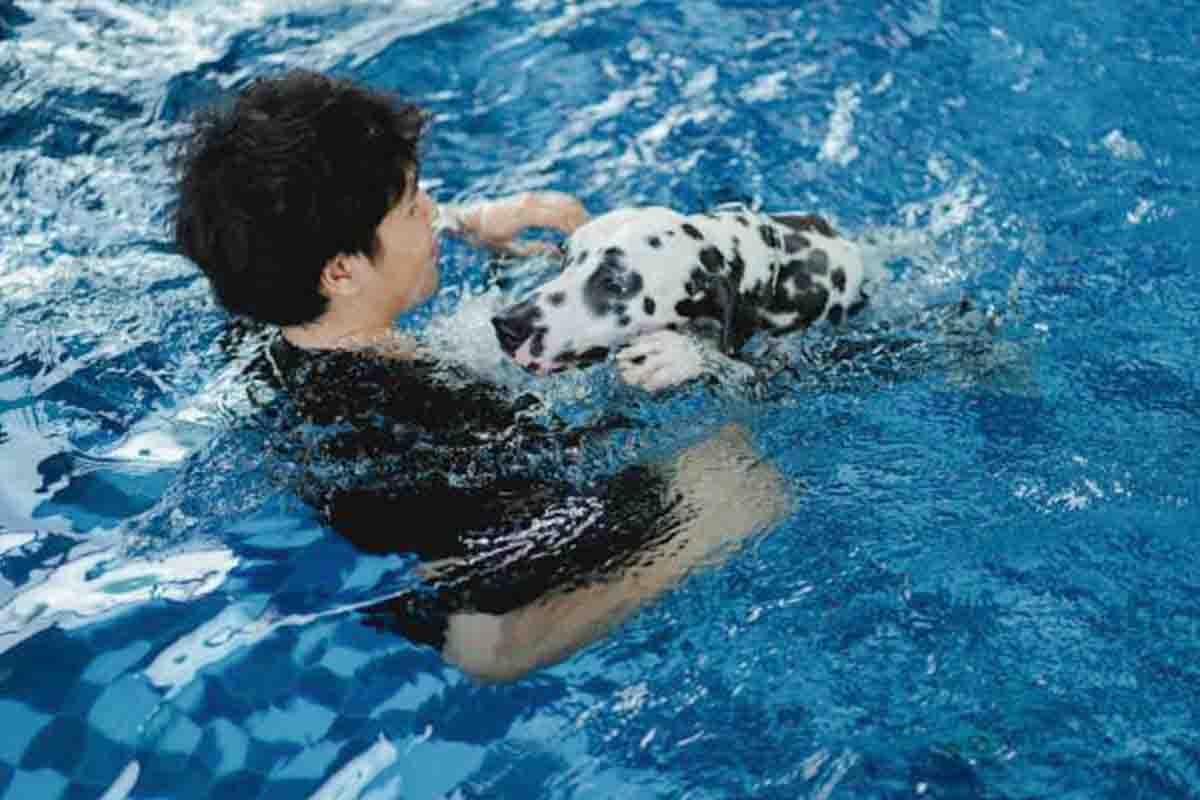
A dedicated dog hydrotherapy session in a specialized facility provides gentle exercise, improving mobility and enhancing your pet's quality of life
Benefits of water therapy: humans versus pets
For humans
Chronic Pain Relief: Arthritis, fibromyalgia, and back pain are alleviated by the warm, buoyant nature of water.
Rehabilitation and Recovery:
Hydrotherapy is often prescribed post-surgery or for injury rehabilitation, helping improve strength and flexibility without stressing the body.
Stress Reduction:
The calming nature of water immersion helps lower anxiety, which is linked to reducing physical pain.
For pets
Mobility improvement:Water therapy allows pets to regain lost mobility after surgery or injury.
Pain management for aging pets:
Older pets, especially dogs, can move more freely and with less pain through regular hydrotherapy.
Faster recovery:
Water therapy accelerates healing by improving circulation and muscle strength without the strain of weight-bearing activities.
Practical considerations: starting water therapy
Water therapy, or hydrotherapy, is a versatile treatment option for both humans and pets, offering benefits such as pain relief, improved mobility, and faster recovery. However, to ensure safe and effective outcomes, it’s important to consider practical steps before starting therapy.
For humans
Consultation: Before beginning hydrotherapy, it’s essential to consult a healthcare professional. This is especially important for individuals with chronic conditions such as arthritis, fibromyalgia, or cardiovascular concerns. A doctor or physiotherapist can assess whether hydrotherapy is suitable and provide tailored recommendations on techniques and intensity levels.
Hydrotherapy facilities:
Accessing professional hydrotherapy facilities is a great way to start, especially for those needing targeted rehabilitation or pain relief. Some studies claim, ‘The hydrotherapy equipment market was valued at over USD 3.16 billion in 2023 and is expected to surpass USD 6.26 billion by 2036.
Clinics, hospitals, and wellness centers often offer hydrotherapy services, including whirlpool baths, therapeutic pools, and underwater treadmills. Many facilities are staffed by trained therapists who guide patients through exercises and ensure correct usage of equipment.
Finding a facility nearby is as simple as searching for hydrotherapy spas or rehabilitation clinics in your area. Online reviews and recommendations from healthcare providers can help identify reliable options.
At-home Hydrotherapy:
For individuals looking to incorporate hydrotherapy into their daily routine, at-home solutions are a practical choice. Personal hydrotherapy tubs and baths are widely available and offer convenience for targeting specific areas of pain. Features like adjustable water jets and temperature control make them ideal for managing conditions like joint pain or muscle tension. For those with limited space, portable options or foot spas can also provide localized relief.
For pets
Veterinary Consultation: Pet owners should consult a veterinarian before introducing hydrotherapy, particularly for animals with medical conditions such as arthritis, injuries, or post-surgical needs. A veterinarian can assess whether water therapy is appropriate and recommend the most suitable approach for the pet’s condition. They may also identify any risks or contraindications to ensure safety.
Finding pet Hydrotherapy services:
Certified pet hydrotherapy clinics offer specialized facilities tailored to the needs of animals. These include underwater treadmills, hydrotherapy pools, and therapeutic tubs, all designed to accommodate different sizes and breeds. Sessions are typically supervised by trained professionals who guide the animals through exercises, monitor their progress, and ensure their comfort. Locating such services can be done through veterinary referrals or online searches for animal rehabilitation centers. Pet owners should verify the credentials of the clinic and the expertise of the staff to ensure high-quality care.
Home Hydrotherapy for pets:
For pets requiring regular hydrotherapy, home-based solutions provide convenience and consistency. Portable hydrotherapy tubs for dogs, for example, allow owners to administer water therapy in a controlled environment. These tubs often feature adjustable water levels and jets for targeted therapy.
To ensure effectiveness, pet owners should receive training or guidance from a professional on how to conduct therapy sessions at home. Gradual introductions, along with treats and positive reinforcement, can help pets feel comfortable during the process.
Conclusion
For humans, hydrotherapy offers a holistic approach to managing conditions like arthritis, fibromyalgia, and stress, while supporting post-surgical recovery and rehabilitation.
Pets, especially dogs and aging animals, benefit from enhanced mobility, reduced pain, and faster recovery, making hydrotherapy a transformative solution for their health and quality of life.
Whether conducted in professional clinics or through at-home setups, water therapy is a gentle and non-invasive treatment with significant physical and emotional benefits. Its calming effects not only improve physical well-being but also enhance mental relaxation, making it a comprehensive method for overall wellness.
Ready to Experience the Healing Power of Hydrotherapy? Discover Wellcare's Solutions.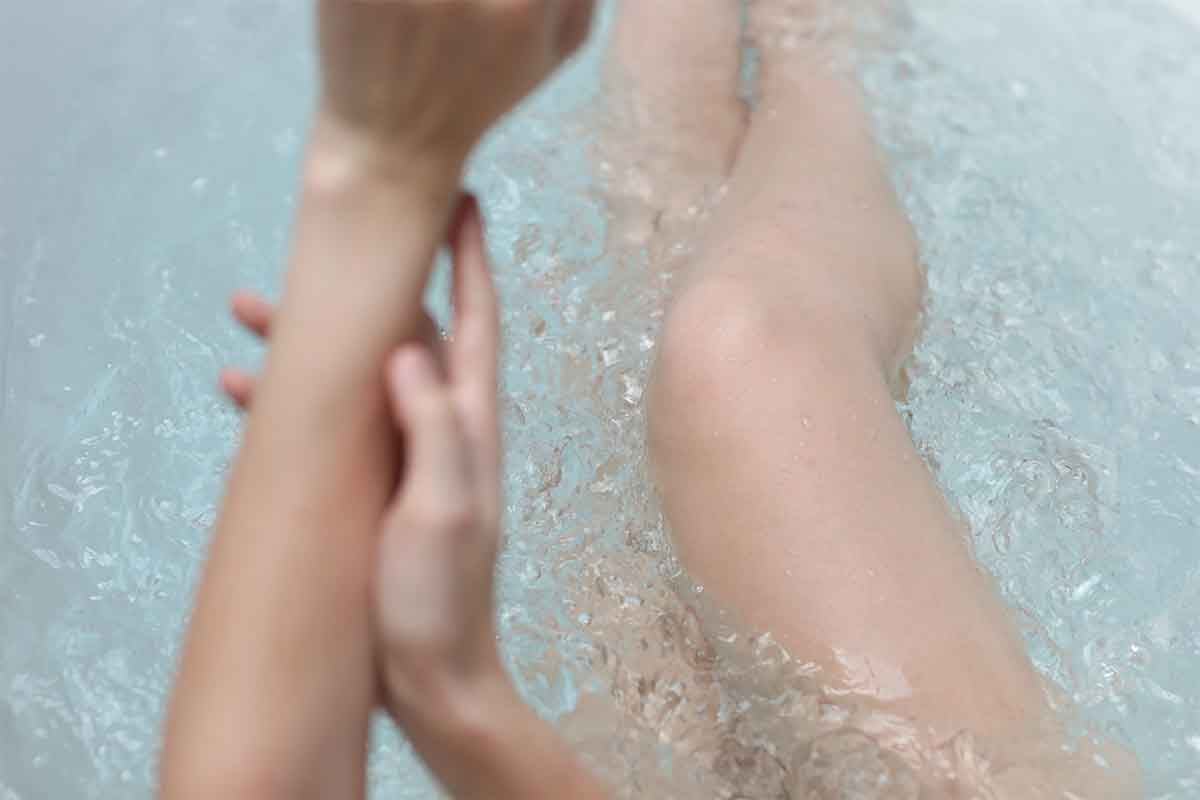
The buoyancy of the water reduces joint stress, while the warm water promotes muscle relaxation
FAQ
Q1: Can a home spa setup help soothe muscle and joint discomfort?
Absolutely. With the Wellcare bubble bath mat, you can easily transform your standard bathtub into a relaxing whirlpool experience. The gentle bubbles and vibrations help relax stiff muscles, assist in reducing fatigue, and melt away stress. It serves as a supportive home companion for soothing joint discomfort and enhancing sleep quality, offering a resort-like retreat for you and your family.
👉 View Wellcare Home Spa Product Details
Q2: What makes the Wellcare bubble spa experience unique?
It is powered by our exclusive 4D DWF (Dynamic Warmth Flow) technology, which transforms your bath into a nature-inspired retreat. The mat generates a rhythmic flow of bubbles, waves, and negative ions, creating a sensation similar to a soothing waterfall. This immersive experience helps you disconnect from stress, soothe physical tension, and brings a deep sense of relaxation to your daily recovery routine.
👉 Explore Wellcare Hydrotherapy Solutions